
How Important Is the Listing Description When Selling a Home?
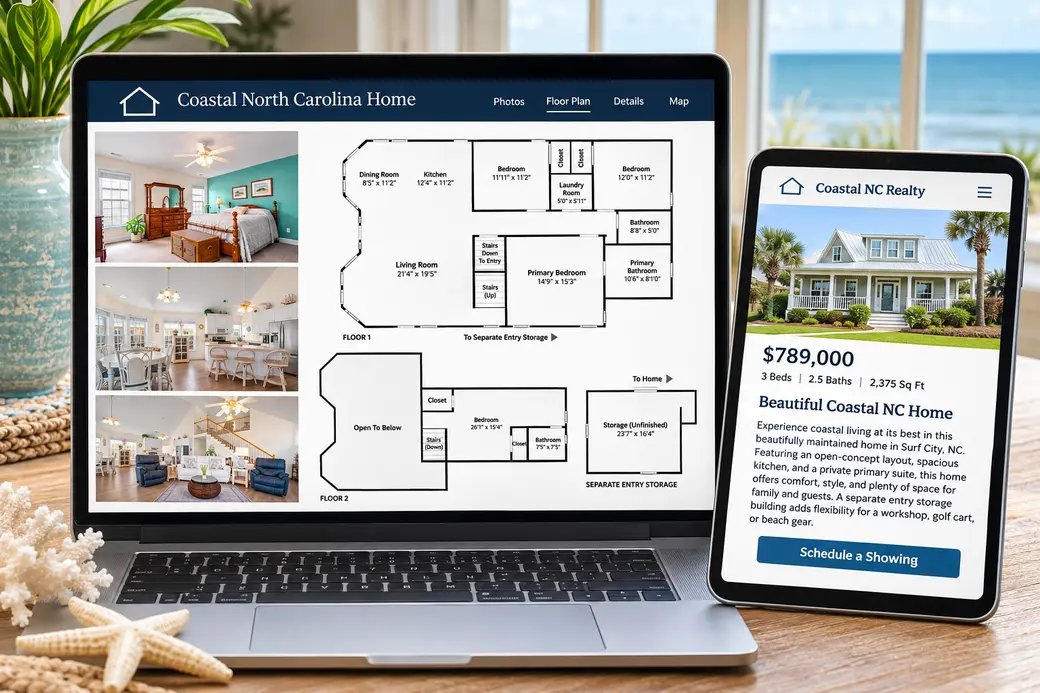
How Important Is the Listing Description When Selling a Home?
When selling a home, the listing description is more important than many homeowners realize. It does more than describe the number of bedrooms, bathrooms, and square footage. A well-written real estate listing description helps prospective buyers understand what makes a property appealing, highlights its most valuable features, provides important context, and encourages them to take the next step toward scheduling a showing.
In Coastal North Carolina, where homes can range from primary residences and beach cottages to oceanfront properties, waterfront homes, condominiums, and vacation rentals, the listing description can play an especially important role in communicating what makes a particular property distinctive.
While professional photography, pricing, and online exposure all contribute to a successful marketing strategy, the written description helps connect those elements into a clear and compelling presentation of the property.
For homeowners preparing to sell in Surf City, Topsail Beach, North Topsail Beach, Holly Ridge, Sneads Ferry, Wilmington, or Jacksonville, the listing description deserves careful attention as part of the overall marketing plan.
Why Is the Listing Description So Important When Selling a Home?
A real estate listing description helps prospective buyers understand the property beyond what they can see in photographs.
Pictures may show a beautiful kitchen, spacious living room, or ocean view, but the written description provides additional information about how the property is designed, what features distinguish it, and what buyers should know about its location and functionality.
A strong listing description should accomplish several things:
-
Highlight the property's most appealing features.
-
Explain the home's layout and functionality.
-
Communicate meaningful upgrades and improvements.
-
Describe relevant location and community advantages.
-
Help buyers understand the property's lifestyle appeal.
-
Provide accurate details that support the photographs.
-
Encourage qualified prospective buyers to schedule a showing.
The objective is not simply to make a home sound attractive. It is to give buyers a clear, accurate, and informative understanding of what the property offers.
Does a Good Listing Description Actually Help Sell a Home?
Yes. A thoughtfully written listing description can contribute to the marketing and presentation of a home by helping prospective buyers recognize features they might otherwise overlook.
Consider a Coastal North Carolina home with an outdoor shower, covered deck, private beach access, and convenient storage for beach equipment.
Photographs may show these features individually, but a well-written description can explain how they contribute to the property's overall functionality and coastal lifestyle.
Similarly, a waterfront property may offer more than an attractive water view. Depending on the property, relevant details might include a private dock, boat lift, water access, outdoor entertaining areas, or views of the Intracoastal Waterway.
The description gives the listing agent an opportunity to connect these features and explain why they matter to a prospective buyer.
However, a good description cannot compensate for an unrealistic asking price, poor property presentation, or an ineffective marketing strategy. It works best as part of a coordinated listing plan.
What Should a Real Estate Listing Description Include?
An effective listing description should be organized around the features and characteristics most relevant to prospective buyers.
Not every property needs the same approach. A beach condominium requires a different description than a large waterfront home in Sneads Ferry or a traditional single-family residence in Holly Ridge.
The following elements deserve consideration.
1. An Attention-Grabbing Opening
The first few sentences should introduce the property's most compelling characteristics.
Rather than beginning with a generic statement such as "Welcome to this beautiful home," consider what actually distinguishes the property.
Is it oceanfront? Does it have expansive water views? Is it located in a desirable community? Does it offer a particularly functional floor plan or a recently updated interior?
The opening should communicate the property's strongest selling points without relying on exaggerated language.
2. Important Interior Features
A listing description should help buyers understand the home's interior and how the spaces function.
Depending on the property, this may include:
-
Bedroom and bathroom configuration.
-
Open-concept living areas.
-
Kitchen updates and finishes.
-
Primary suite features.
-
Flooring and interior improvements.
-
Storage and closet space.
-
Dedicated office or flex spaces.
-
Accessibility and elevator features, when applicable.
Simply listing features is not always enough. Explaining how the home's layout supports everyday living can provide additional value.
For example, a single-level floor plan may appeal to buyers looking for convenient living without stairs, while a multi-level beach home may offer separation between gathering spaces and private sleeping areas.
3. Exterior Features and Outdoor Living
Outdoor living is an important consideration for many Coastal North Carolina properties.
A description should highlight relevant exterior features such as:
-
Covered porches and decks.
-
Screened-in outdoor spaces.
-
Private pools.
-
Outdoor showers.
-
Fenced yards.
-
Garages and storage buildings.
-
Landscaping and outdoor entertaining areas.
-
Docks, boat lifts, and waterfront access.
For homes on Topsail Island, outdoor living features may be particularly relevant because buyers often consider how they will enjoy the surrounding coastal environment.
4. Location and Community Advantages
Location is about more than the property's street address.
A good description should explain relevant nearby amenities, community features, and location advantages without making unsupported claims.
For example, a property in Surf City may appeal to buyers interested in convenient access to the beach, local restaurants, shopping, and island activities.
A home in Sneads Ferry may offer a different appeal, particularly for buyers interested in boating, waterfront living, or convenient access to surrounding areas.
For properties in Jacksonville and Onslow County, proximity to military installations, employment centers, shopping, and everyday conveniences may be relevant depending on the property's actual location.
The key is to describe location advantages that genuinely apply to the home rather than inserting generic community descriptions.
5. Updates, Improvements, and Special Features
Homeowners frequently invest in improvements that deserve attention when selling.
These might include:
-
Updated kitchens and bathrooms.
-
Newer appliances.
-
Roof replacements.
-
HVAC improvements.
-
Replacement windows and doors.
-
Flooring upgrades.
-
Exterior improvements.
-
Hurricane protection features.
-
Energy-efficient equipment.
The listing description should identify meaningful improvements and provide accurate details when available.
When the age, scope, or installation details of an improvement are important, those details should be verified rather than estimated.
A well-presented description helps buyers understand the work that has been completed without overstating the property's condition or suggesting that an improvement guarantees future performance.
Why Listing Descriptions Matter for Coastal North Carolina Homes
Coastal properties often have features and considerations that deserve more attention than a generic residential listing description can provide.
For example, two homes with similar bedroom counts and square footage may offer very different ownership experiences.
One may be an oceanfront property with direct beach access. Another may be a sound-front home with a private dock. A third may be a primary residence located inland with convenient access to Wilmington or Jacksonville.
Those distinctions matter.
Oceanfront and Beach Properties
When marketing a beach property on Topsail Island, the description should clearly communicate the property's relationship to the beach.
Relevant details may include:
-
Oceanfront or ocean-view positioning.
-
Beach access arrangements.
-
Decks and outdoor living areas.
-
Elevator access.
-
Parking and storage.
-
Interior updates and furnishings, if included.
The description should distinguish between oceanfront, ocean-view, and properties located near the beach. These are not interchangeable descriptions.
Waterfront and Boating Properties
For waterfront properties in Sneads Ferry, Holly Ridge, and surrounding coastal communities, buyers may be particularly interested in water access and boating-related features.
A property description may highlight:
-
Waterfront location.
-
Dock configuration.
-
Boat lift availability.
-
Bulkhead features.
-
Water views.
-
Navigable water access, when verified.
These details can help prospective buyers understand the property's appeal beyond the home's interior.
Vacation Rentals and Second Homes
For vacation homes and investment properties, the listing description may need to communicate additional information.
Relevant details could include furnishings, rental-related features, bedroom arrangements, parking, outdoor amenities, and proximity to beach access.
If rental history or income potential is discussed, the information should be supported by reliable documentation. Past rental performance should never be presented as a guarantee of future income.
The goal is to provide prospective buyers with meaningful information while accurately representing the property.
Can a Poor Listing Description Hurt a Home Sale?
A weak listing description can make it harder for prospective buyers to recognize the property's advantages.
Common problems include:
Generic language: Descriptions filled with phrases such as "beautiful home," "must-see property," and "great location" without explaining what actually makes the home appealing.
Missing features: Important improvements, amenities, or property characteristics are left out.
Too much unnecessary information: Long descriptions filled with repetitive adjectives make it difficult for buyers to identify the most important details.
Inaccurate information: Incorrect room counts, property features, measurements, or improvement details can create confusion and undermine buyer confidence.
Misleading descriptions: Describing a home as oceanfront when it is not, or suggesting private access when access is shared, can create unrealistic expectations.
Poor organization: Important selling points are buried beneath lengthy introductions or unnecessary details.
A listing description should be informative and engaging, but accuracy must always come first.
Should a Listing Agent Write the Listing Description or Should the Seller?
The listing agent should take the lead in developing the property description, but the homeowner's input can be extremely valuable.
Sellers often know details about their homes that may not be immediately obvious during a listing appointment.
For example, they may be able to explain:
-
Which improvements have been completed.
-
How particular rooms are used.
-
What makes the outdoor living areas especially functional.
-
Which storage or organizational features are especially useful.
-
What they appreciate most about the property's location.
-
Which features distinguish the home from others they have owned.
A good listing agent combines that firsthand knowledge with an understanding of how buyers evaluate properties.
The agent should also review the description for accuracy, clarity, organization, and appropriate marketing language before the property is introduced to the market.
The finished description should reflect the actual property, not simply repeat the homeowner's original notes.
How Does the Listing Description Work With Professional Photography?
Photography and written descriptions serve different purposes, but they should work together.
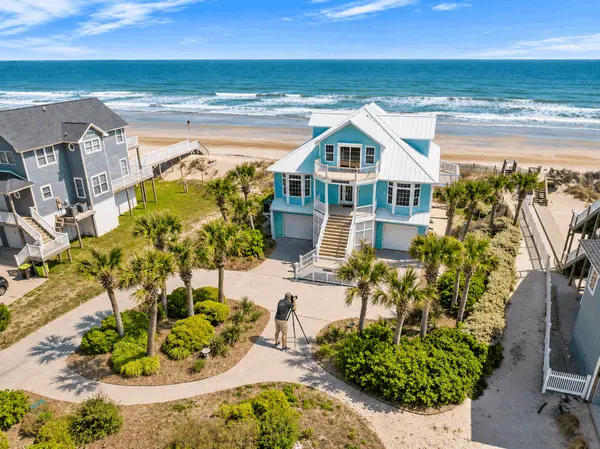
Professional photographs help buyers visually experience the property. The listing description provides context and explains the features that make those photographs meaningful.
For example:
-
A photograph shows a spacious covered deck.
-
The description explains its size, location, and relevant outdoor living features.
Or:
-
A photograph shows a renovated kitchen.
-
The description identifies the improvements, finishes, and appliances that distinguish the space.
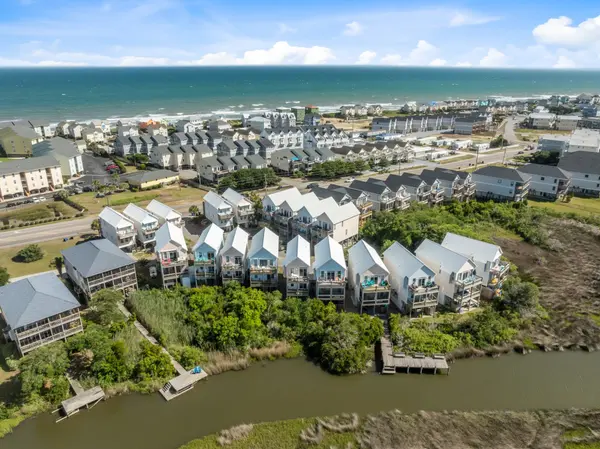
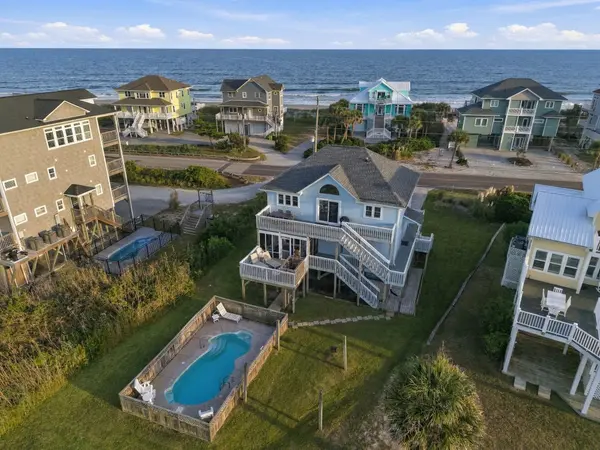
For a waterfront property, aerial photography may help communicate the property's setting, while the written description explains verified waterfront features and access arrangements.
This is why listing descriptions should be developed alongside the overall marketing strategy rather than treated as an afterthought.
Does the Listing Description Affect Online Search Visibility?
A well-written listing description can help communicate relevant information to prospective buyers searching online.
Search engines and real estate platforms use listing information to understand and display properties. Clear, descriptive language can help establish what a property offers and make important characteristics easier for prospective buyers to identify.
For example, a description that naturally identifies a property as an oceanfront condominium in North Topsail Beach provides more meaningful information than one that simply describes it as a beautiful coastal home.
However, there is no guaranteed search ranking or placement from using particular words.
The goal should be to create an accurate, informative description that serves prospective buyers while clearly communicating the property's most relevant characteristics.
What Should Sellers Ask Their Listing Agent About the Property Description?
Before hiring a listing agent, homeowners should understand how the agent approaches the written presentation of their property.
Here are several useful questions to ask:
-
Who will write and review my listing description?
-
How will you identify the most important features of my home?
-
How will you make my property stand out from competing listings?
-
Will the description be written specifically for my property?
-
How do you verify property details before publishing?
-
Will the description be updated if important information changes?
-
How does the written description coordinate with photography, video, and other marketing materials?
These questions can help homeowners distinguish between an agent who simply enters property information into the MLS and one who approaches the listing as a complete marketing presentation.
How Does Streamline Realty Team Approach Listing Marketing?
For homeowners considering selling in Surf City, Topsail Beach, North Topsail Beach, Holly Ridge, Sneads Ferry, Wilmington, Jacksonville, and surrounding Coastal North Carolina communities, the written listing description is one part of a broader property marketing strategy.
At Streamline Realty Team, powered by Real Broker, LLC, the goal is to present each property in a way that accurately communicates its features, highlights its appeal, and gives prospective buyers meaningful information.
Led by Managing Broker Matt Jones, Streamline Realty Team has exceeded $250 million in closed real estate sales and has received multi-year recognition through RealTrends' America's Best Real Estate Professionals.
The team's listing marketing capabilities may include:
-
Professional real estate photography.
-
Drone and aerial photography.
-
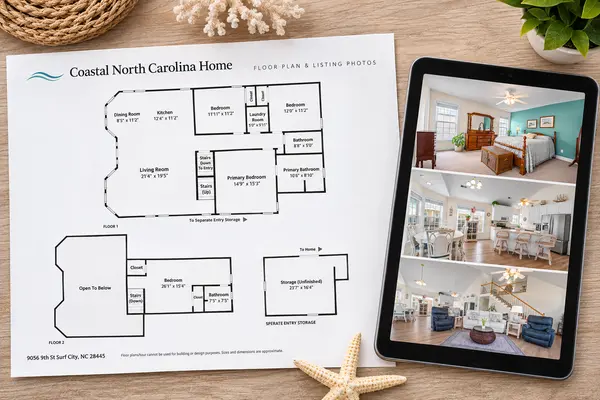
Floor plans.
-
Video and property presentation.
-
MLS distribution.
-
Digital and social media marketing.
-
Zillow Showcase for qualifying or applicable listings.
-
Enhanced Realtor.com promotional products where applicable.
-
Homes.com Boost where applicable.
-
Showing feedback and listing-performance monitoring.
The written description should complement these marketing elements, not compete with them.
A property with distinctive coastal features deserves a description that explains those features accurately. An oceanfront condominium, a waterfront home with boating amenities, and a primary residence in Jacksonville each require a different presentation.
That property-specific approach is an important part of helping homeowners understand how their property will be introduced to the market.
Final Thoughts: Don't Treat the Listing Description as an Afterthought
The listing description may not be the first thing homeowners think about when preparing to sell, but it plays an important role in how a property is presented to prospective buyers.
It provides context for the photographs, highlights important features, explains the property's appeal, and helps buyers understand what makes the home different from other available properties.
For Coastal North Carolina homeowners, those details can be especially important when marketing oceanfront homes, waterfront properties, beach houses, vacation rentals, condominiums, and primary residences.
The best listing descriptions are not necessarily the longest or most elaborate. They are accurate, thoughtfully organized, property-specific, and written with the prospective buyer in mind.
Considering selling your home in Coastal North Carolina?
Streamline Realty Team can help you evaluate your property's most marketable features and develop a marketing strategy that includes professional presentation, thoughtful listing content, and targeted online exposure.
Whether you're preparing to sell a home in Surf City, Topsail Beach, North Topsail Beach, Holly Ridge, Sneads Ferry, Wilmington, or Jacksonville, we'd welcome the opportunity to discuss how your property should be positioned in the market.
Contact Streamline Realty Team to schedule a Seller consultation and discuss a marketing plan designed around your property.
Categories
Recent Posts




GET MORE INFORMATION